
"Forest Coffee"
12000 article(s) found
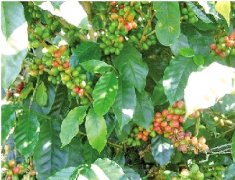
Yega Xuefei Sun Banki Maggie Coffee cooked beans Ethiopia G3
There are eight main producing areas of Ethiopian coffee: Ekempti, Limu, Illubabor, Djimma, Harrar, Teppi/Bebeka, Sidamo, Yirgacheffe. Ethiopian coffee is highly rated in Taiwan, especially Chinese people are particularly interested in the three famous producing areas of Ethiopia, namely Harrar, Sidamo and Yirgacheffe.
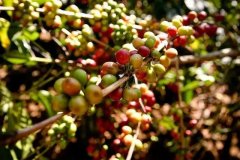
Yega Xuefei Sun Banki Maggie Coffee cooked beans Ethiopia G3 BenchMaji
There are eight main producing areas of Ethiopian coffee: Ekempti, Limu, Illubabor, Djimma, Harrar, Teppi/Bebeka, Sidamo, Yirgacheffe. Ethiopian coffee is highly rated in Taiwan, especially Chinese people are particularly interested in the three famous producing areas of Ethiopia, namely Harrar, Sidamo and Yirgacheffe.
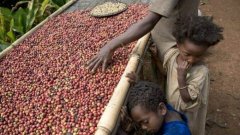
Characteristics of African coffee beans acting as agents of African coffee beans
There are eight main producing areas of Ethiopian coffee: Ekempti, Limu, Illubabor, Djimma, Harrar, Teppi/Bebeka, Sidamo, Yirgacheffe. Ethiopian coffee is highly rated in Taiwan, especially Chinese people are particularly interested in the three famous producing areas of Ethiopia, namely Harrar, Sidamo and Yirgacheffe.

How to drink Ethiopian coffee in Kafa forest, Ethiopia?
Professional Coffee knowledge Exchange more information about coffee beans Please follow the Coffee Workshop (official Wechat account cafe_style) Kafa forest, which is located in the south of Ethiopia. Kafa forest is rich in coffee tree resources, commonly known as Heirloom, that is, Ethiopian native species. The selection of bita in 2017 comes from these tree species.

How do you compare the quality of Ruoxia Village Green label and Jade Manor? how is the coffee graded in Ruoxia Village?
Yilu Forest Sunshine Green No. 001 Gesha Village Gaylee Illubabor Forest Natural-SINGLE-TERROIR Flavor description: cream, grapes, dried plums, caramel, with round acidity in the tail, Body sticky country: Ethiopia: Gehry (Gaylee), Banchi-Maggie (Bench-Maji) altitude: 1
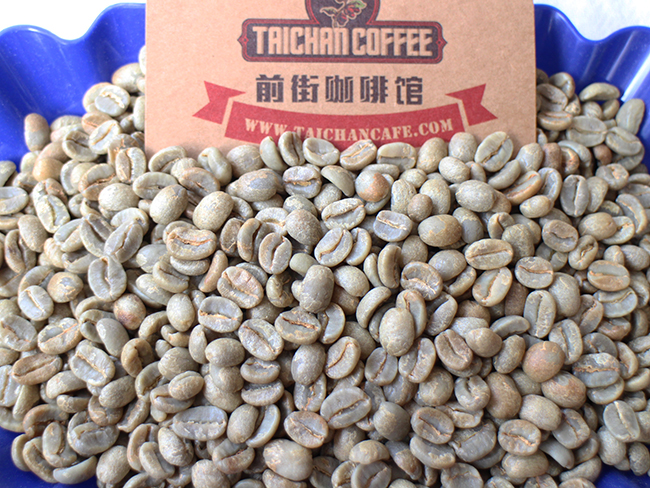
Wholesale price of imported boutique coffee and raw beans in Ethiopia Yega Xuefei Sun Banki
There are eight main producing areas of Ethiopian coffee: Ekempti, Limu, Illubabor, Djimma, Harrar, Teppi/Bebeka, Sidamo, Yirgacheffe. Ethiopian coffee is highly rated in Taiwan, especially Chinese people are particularly interested in the three famous producing areas of Ethiopia, namely Harrar, Sidamo and Yirgacheffe.

Characteristics of Ethiopian sun-dried coffee beans? Ethiopia Kafa Forest Coffee Flavor
Professional coffee knowledge exchange more coffee bean information please pay attention to the coffee workshop (Wechat official account cafe_style) the characteristics of sun-cured coffee beans in Ethiopian coffee producing areas? What are the flavor and taste characteristics of Ethiopian Kafa Forest Coffee? Many people believe that Ethiopia is the birthplace of coffee and was first found to grow in the ancient Abyssinia of Abyssinia.
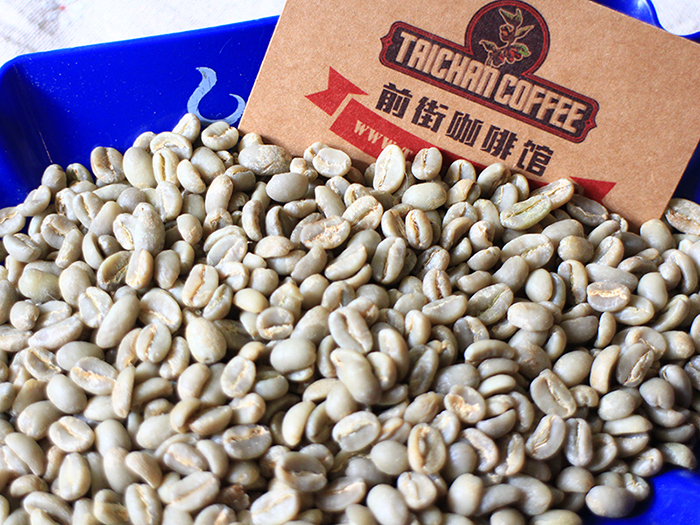
Sunburn Banqi Maji imported fine coffee raw beans Ethiopia Ye Jia Xue Fei BenchMaji original beans
There are eight major coffee producing areas in Ethiopia: Ekempti, Limu, Illubabor, Djimma, Harrar, Teppi/Bebeka, Sidamo and Yirgacheffe. Ethiopian coffee is highly rated in Taiwan, especially the Chinese are particularly interested in three famous Ethiopian producing areas: Harrar, Sidamo and Yirgacheffe.

Introduction to the Ethiopian single Manor Project of Bita Manor in Kafa Forest, Ethiopia
Professional barista communication please pay attention to the coffee workshop (Wechat official account cafe_style) Ethiopia Kafabita Manor Bita Manor is located in the coffee forest area of southwestern Ethiopia. To this day, the Kafa forest still maintains the forest appearance of the traditional Ethiopian primitive forest, while retaining a considerable number of native coffee varieties. Many cup surveyors in the Kafa producing area have tested the cup.

Introduction to the planting environment of Ethiopian coffee
Due to different planting methods, coffee can be divided into three types: forest-semi-forest coffee (Forest or semi-forest coffee), courtyard coffee (Garden coffee) and plantation coffee (Plantation coffee). 60% of the coffee belongs to forest-semi-forest coffee. In such a wild coffee forest, pesticides are not used at all, but biological methods are used to control pests. 35%
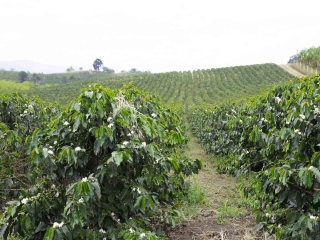
Introduction to the nine boutique producing areas in Ethiopia the difference in flavor and taste of Yega Xidama coffee beans
Ethiopia has the most diversified coffee planting system in the world, including forest coffee, semi-forest coffee, pastoral coffee and plantation coffee. 90% of the coffee in Ethiopia comes from pastoral, forest and semi-forest, but large-scale entrepreneurial cultivation in Ethiopia is indeed very rare.

Common sense of coffee beans certified by rainforest
Rainforest Alliance certified frog beans rainforest certification logo has an obvious frog, Rainforest Alliance certified coffee, also known as frog beans. Rainforest Alliance RA (Rainforest Alliance) certification refers to a farm that meets the standards set by the Rainforest Alliance. The Alliance will protect the farm and its surrounding ecosystem, impose some restrictions on the use of pesticides, and manage waste.
Rainforest certified coffee rainforest certified coffee rainforest certified symbol frog beans
Rainforest certification Rainforest Alliance certification Rainforest Alliance certification Frog beans Rainforest Certification logo has an obvious frog, Rainforest Alliance certified coffee, also known as frog beans. Rainforest Alliance RA (Rainforest Alliance) certification refers to a farm that meets the standards set by the Rainforest Alliance, and the Alliance will conduct research on the farm and its surrounding ecosystems.

Boutique Coffee introduced by Manors in Sidamo Coffee Bean producing area of Ethiopia
Due to different planting methods, coffee can be divided into three types: forest-semi-forest coffee (Forest or semi-forest coffee), courtyard coffee (Garden coffee) and plantation coffee (Plantation coffee). 60% of the coffee belongs to forest-semi-forest coffee. In such a wild coffee forest, pesticides are not used at all, but biological methods are used to control pests. thirty-five

Flavor characteristics of all coffee bean producing areas in Ethiopia how much is a cup of Ethiopian coffee
Professional coffee knowledge exchange more coffee bean information please follow the coffee workshop (Wechat official account cafe_style) Jinma (bulk commercial bean producing area): 1350 to 1850m above sea level | Forest / semi-forest system | Jinma is the capital of Kafa forest or Kafa province. The English spelling is very messy, most of the maps are jimma, but the coffee sacks are spelled into Djimmah. This is Esseobi.
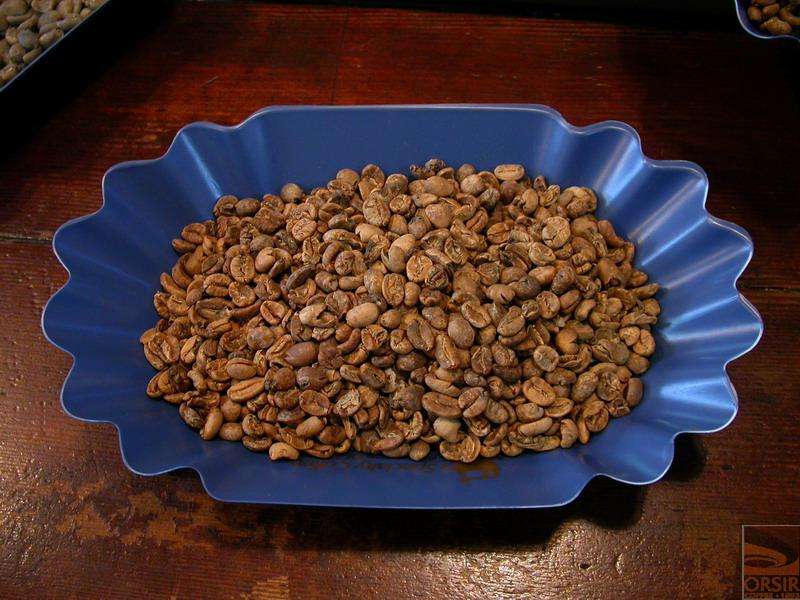
Boutique coffee beans: frog bean Rainforest Alliance certification
There is an obvious frog on the rainforest certification logo, rainforest alliance certified coffee, also known as frog beans. Rainforest Alliance RA (Rainforest Alliance) certification refers to a farm that meets the standards set by the Rainforest Alliance. The Alliance will protect the farm and its surrounding ecosystem, impose some restrictions on the use of pesticides, and evaluate benchmarks such as waste management.

Ethiopia single Manor Project | native species of Bita Manor in Kafa Forest region
Professional coffee knowledge exchange more coffee bean information please follow Coffee Workshop (Wechat official account cafe_style) Ethiopia single Manor Project | Bita Manor in Kafa forest area native species sunburn G1 flavor? From the most primitive Kafa wild jungle in Ethiopia, the coffee trees planted in the jungle are part of the wild forest ecology.

Sun Coffee Ethiopian Coffee introduction Fine Coffee beans Yega Snow Coffee Gediyo Eastern Highland Mountains
Due to different planting methods, coffee can be divided into three types: forest-semi-forest coffee (Forest or semi-forest coffee), courtyard coffee (Garden coffee) and plantation coffee (Plantation coffee). 60% of the coffee belongs to forest-semi-forest coffee. In such a wild coffee forest, pesticides are not used at all, but biological methods are used to control pests. thirty-five

Sun Coffee Ethiopian Coffee introduction Fine Coffee beans Yega Snow Coffee Gediyo Eastern Highland Mountains
Due to different planting methods, coffee can be divided into three types: forest-semi-forest coffee (Forest or semi-forest coffee), courtyard coffee (Garden coffee) and plantation coffee (Plantation coffee). 60% of the coffee belongs to forest-semi-forest coffee. In such a wild coffee forest, pesticides are not used at all, but biological methods are used to control pests. thirty-five

The origin of Matambo forest coffee beans Colombia Matambo forest coffee beans
Professional coffee knowledge exchange more coffee bean information please follow the coffee workshop (Wechat official account cafe_style) Gigante (Higante) today's protagonist, from the Gigante (Higante) area south of Huila, Colombia, 82 farmers grow coffee on this land, they all belong to the organization Cafeteros El Desarrollo, to